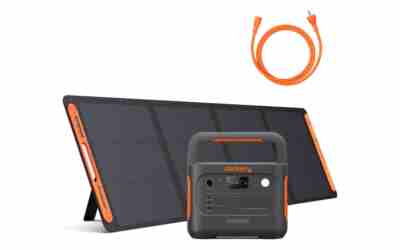
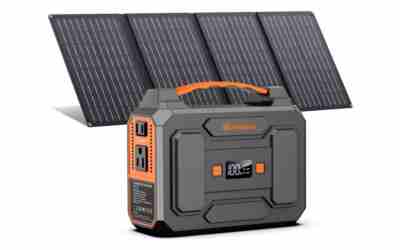
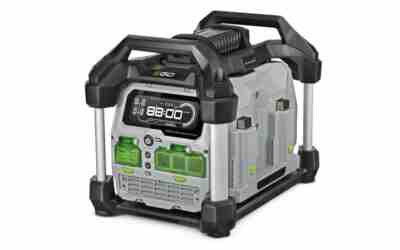
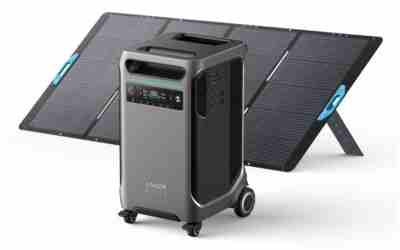
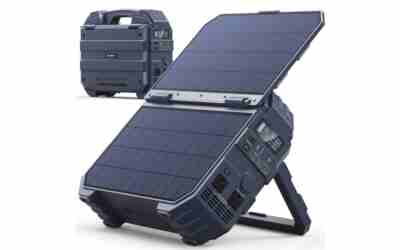
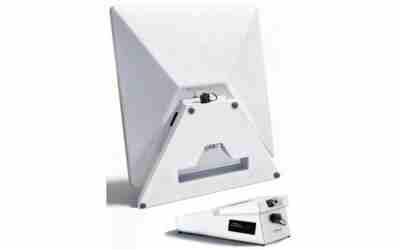
Our editorial team weighed Home's published specifications and how it stacks up against similar products in the generators category. What stands out: 3,000+ Cycle LiFePO4 Battery, Multiple Lighting Options, and Two Charging Methods. Where it falls short: Small 2500mAh Capacity and Slow 5W Solar Charging. That puts it at 7.8/10 on our WG Score – a solid, dependable choice.
 Reviewed byEthan
In today’s unpredictable world, having a reliable power source is more crucial than ever. Whether you’re preparing for unexpected outages, planning an off-grid camping adventure, or need portable power for remote work sites, the right solar generator can make all the difference. Our comprehensive guide helps you navigate the options to find the perfect solution for your needs.
We’ve meticulously analyzed 4 leading solar panel home generators available in 2026, focusing on key features, performance, and user feedback. This review is designed to help you make an informed decision, ensuring you select a solar generator that provides dependable power when and where you need it most. For more options in this category, explore our picks for the Best LiFePO4 Solar Generators.

Pros
- Exceptional reliability proven in extreme military and desert use per customer reviews
- Pure sine wave output handles sensitive electronics like radios and oscilloscopes smoothly
- Multiple recharge options including solar compatibility for off-grid freedom
- Clear battery display and pass-through feature for uninterrupted power
- Lightweight at 13.3 lbs for true portability without sacrificing capacity
Cons
- Limited to 500W continuous output, shuts off if exceeded
- Solar panel sold separately, adding extra cost for full off-grid setup
- Rare reports of units failing after initial use
The Jackery Explorer 500 is a versatile portable power station designed for outdoor enthusiasts, campers, road trippers, and anyone needing reliable home backup power. With 518Wh capacity and 500W AC output (1000W peak), it powers devices like fans, lights, coolers, laptops, and small appliances under 500W total, making it perfect for extended off-grid adventures or emergency outages.
Standout features include pass-through charging, allowing simultaneous device powering and recharging via AC wall (7.5 hours full), car port, or optional Jackery SolarSaga 100W panel (9.5 hours). Customers rave about its real-world performance, from lighting sports fields in desert heat to running radios and test equipment during blackouts, with consistent reliability over years of harsh use. Multiple ports (1 AC, 3 USB-A, 2 DC, 1 car) ensure broad compatibility.
Build quality shines with a sturdy plastic frame, solid handle, and quiet fanless operation under light loads, weighing just 13.3 lbs in basketball-like dimensions. The BMS protects individual cells for longevity, and the clear LCD shows exact battery status. It's eco-friendly with no fumes or fuel needs.
Drawbacks include the 500W limit, which auto-shuts for safety on overloads, and solar dependency on separate purchase. One review noted early failure, though most praise durability.
Verdict: A top choice for portable, dependable power that enhances camping, travel, and backup needs without the hassle of gas generators.
Capacity: 518Wh (24Ah, 21.6V)
Outputs: 1x 110V/500W AC (1000W peak), 3x USB-A 5V/2.4A, 1x Car 12V/10A, 2x DC 12V/7A
Inputs: AC adapter (7.5 hrs full), Car (7.5 hrs), Solar 12-30V/100W max (9.5 hrs with 100W panel)
Weight & Size: 13.3 lbs, 11.8 x 7.6 x 9.2 inches
Other: Lithium-ion battery, 14-104°F operating temp, 2-year warranty
Ideal for camping, RV trips, or home emergencies if your devices total under 500W. Calculate runtime: 500Wh x 0.85 / device watts (e.g., 60W fan ~7 hours). Pair with SolarSaga 100W for off-grid recharging. Avoid if needing over 500W continuous or massive capacity like whole-home fridges.
Compares favorably to Explorer 240 (smaller) or 1000 (larger/heavier). Great for military, sports parents, or preppers per reviews.

Pros
- Exceptional 1-hour fast charging via AC
- Durable LiFePO4 battery with 10-year lifespan
- Lightweight and easy to carry anywhere
- Versatile ports including 2x 300W AC outlets
- Strong app integration for monitoring
Cons
- Fan noise audible during fast charging
- Single USB-C port limits simultaneous charging
- Best for low-to-medium power devices, not heavy appliances long-term
The EcoFlow RIVER 2 is a versatile portable power station designed for campers, RV travelers, outdoor enthusiasts, and home emergency backup. With 256Wh capacity and LiFePO4 battery chemistry, it powers essentials like phones, cameras, drones, laptops, fans, and mini fridges, offering runtimes from hours to days depending on device wattage.
Standout features include X-Stream 1-hour AC recharge, up to 600W output with X-Boost for handling surges, and fast solar input for off-grid use. Users praise its real-world performance, such as recharging e-bikes in sheds, sustaining camping gadgets for a week, or acting as UPS for routers during outages, with seamless 30ms switching. The app provides detailed monitoring, enhancing usability.
Build quality shines with a lightweight 7.7 lbs design, sturdy handle, and advanced BMS for safety. Reviewers highlight its compact size, quiet operation under load, and premium feel, making it ideal for sheds, trips, or teleworking.
Drawbacks include fan noise during rapid charging and a single USB-C port, which may require prioritization. It suits low-to-medium loads best, not prolonged high-wattage use.
Overall, the RIVER 2 delivers exceptional value for portable, reliable power, earning high marks for speed, longevity, and convenience. Perfect for anyone seeking a gateway to sustainable off-grid living.
Capacity: 256Wh LiFePO4 battery
Output: Up to 600W AC (2 outlets), multiple USB ports including USB-C
Recharge: 1 hour AC, 2.3 hours solar (110W input), car/USB-C options
Weight/Dimensions: 7.7 lbs (3.5 kg), 9.6 x 8.4 x 5.5 inches
Other: App control, UPS mode (30ms switch), 5-year warranty

Pros
- Exceptionally lightweight and compact for hiking and travel
- Powers devices reliably during outages and camping trips
- Versatile outputs support diverse gear like routers and fans
- Efficient solar panel extends runtime in sunlight
- Quick AC recharging in 7-8 hours
Cons
- Solar recharging can be slow without direct sunlight
- Battery drains faster with multiple high-draw devices simultaneously
- Built-in flashlight limited for extended camping use
The MARBERO 172Wh solar generator kit combines a compact 200W power station with a 40W foldable solar panel, perfect for campers, hikers, fishers, and anyone needing emergency backup power for CPAP machines or home outages. It delivers reliable electricity off-grid, powering essentials like phones, laptops, routers, and small appliances without noise or fuel.
Standout features include multiple outputs for simultaneous charging, a high-efficiency solar panel with 21.5-23.5% conversion rate, and three recharging options: AC in 7-8 hours, car port, or solar. Users rave about its performance in real scenarios, like sustaining devices through snowstorms or multi-day camping, with fast device charging and solid runtime for lights and fans.
Design emphasizes portability with the 3.3lb power station (7.6x3.6x5.4 inches) and lightweight panel, plus safety features like overcharge and overload protection. Build quality feels premium with ABS material and intuitive LED indicators, though solar input lags in shade and heavy multi-device use reduces capacity.
Minor drawbacks include slower solar times and flashlight limitations, but overall, this kit excels for lightweight, versatile power needs. Verdict: Highly recommended for outdoor enthusiasts and preppers seeking dependable, portable energy.
Capacity: 172Wh | Output: 200W (270W peak) | Weight: Power station 3.3lbs, Panel 2.3lbs
Ports: 2 AC, 2 USB-A QC3.0, 2 USB-A, 1 USB-C PD, 1 DC | Recharge: AC, Solar, Car
Dimensions: Station 7.6x3.6x5.4in | Panel folded 8x10x1in | Power Source: Solar, Battery, AC
Safety: Overcharge, overload, short circuit protection | Color: Purple Black
Pros
- Long-lasting LiFePO4 battery with 3,000+ cycles
- Multiple lighting options save power in blackouts
- Two charging methods for convenience
- Portable and easy to carry at just 1kg
- Affordable entry into solar backup power
Cons
- Limited 2500mAh capacity suits only small devices, not laptops
- 5W solar panel charges slowly in low sunlight
- Low 5W output wattage restricts to light-duty use
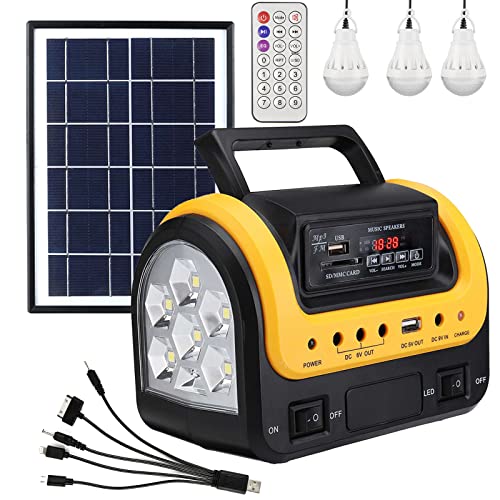
This portable solar generator kit from Upusa is a compact 2500mAh LiFePO4 power station bundled with a 5W solar panel, ideal for users seeking lightweight emergency backup. It targets campers, travelers, and homeowners preparing for hurricanes or outages, powering small gadgets like phones, e-books, and cameras while providing essential lighting.
Standout features include a built-in LED flashlight plus three detachable LED lamps with individual switches and 3m cables, offering versatile low-consumption illumination. The battery supports over 3,000 cycles for durability, with USB/DC outputs delivering steady power for devices. In real-world use, it excels at keeping essentials charged during short blackouts or weekend camping, though solar recharging takes time in shade.
Build quality shines in its 1kg lightweight frame with a carry handle, anti-dust design, and quiet operation. Compact and integrated packaging makes transport simple, fitting easily in a backpack. It charges via solar or AC, enhancing reliability outdoors or indoors.
Drawbacks include the small capacity limiting it to low-power needs and slow solar input. It is not suited for high-draw appliances.
Overall, this is a solid, budget-friendly choice for basic off-grid lighting and phone charging, earning praise for portability and battery life. Recommended for light emergency or recreational use.
Brand: Upusa
Battery Capacity: 2500mAh LiFePO4
Solar Panel: 5W
Output Wattage: 5 Watts
Power Source: Solar Powered
Voltage: 110 Volts (AC)
Weight: 1 Kilogram
Special Features: Portable, LED Flashlight, Detachable Lamps
Included: Charging Cable, Solar Panel
Buying Guide for 2026
Battery Capacity (Wh) & Chemistry (LFP/NMC)
The battery capacity, measured in Watt-hours (Wh), determines how long your solar generator can power devices. A higher Wh rating means longer runtimes or the ability to power more demanding appliances. Consider your typical power needs: a small unit around 200-500Wh might suffice for charging phones and laptops on a weekend trip, while larger units with 1000Wh+ are better for home backup or extended off-grid use.
Battery chemistry also plays a significant role. Lithium Iron Phosphate (LiFePO4 or LFP) batteries offer superior longevity and safety compared to Nickel Manganese Cobalt (NMC) batteries, often boasting 3,000+ charge cycles before degrading to 80% capacity. While NMC batteries might be more common in older or budget-friendly models, LFP is increasingly preferred for its durability and stability, making it a wise long-term investment. For specific LFP options, check out the Best LiFePO4 Solar Generators.
AC Output (Wattage)
The AC output, measured in watts, indicates the maximum power a generator can supply to standard household appliances. You’ll see both continuous (running) wattage and peak (surge) wattage. Continuous wattage is what the generator can sustain, while peak wattage is a temporary boost for starting devices with high initial power draws, like refrigerators or power tools. Ensure the continuous wattage meets the requirements of your most power-hungry devices.
It’s crucial to match the generator’s output to your intended use. For light-duty tasks like charging small electronics, a 200-300W output might be sufficient. However, for powering larger appliances or multiple devices simultaneously, look for models with 500W or more. Always check the wattage requirements of your devices to avoid overloading your solar generator.
Recharge Speed & Solar Input
How quickly a solar generator recharges is vital, especially when relying on solar panels. Look for models with efficient solar input capabilities and high wattage compatibility (e.g., 100W, 200W, or more). Faster charging times mean less downtime and more consistent power availability. Many modern units also offer rapid AC wall charging, sometimes fully recharging in just an hour or two, which is convenient for quick top-ups before an outing.
Consider the total solar input capacity and the efficiency of the solar panels you plan to use. A higher solar input rating on the generator allows it to accept more power from solar panels, reducing the time needed to fully charge. Some generators come with bundled solar panels, while others require separate purchases, offering flexibility to choose panels that best suit your needs and budget.
Weight & Form Factor
Portability is a key factor for solar generators, especially if you plan to use them for camping, tailgating, or emergency backup. Consider the unit’s weight and physical dimensions. Many smaller units are designed to be compact and lightweight, often featuring integrated handles for easy transport. Larger capacity units will naturally be heavier, so evaluate if the added power justifies the increased weight and bulk for your specific applications.
The overall design, including the presence of robust handles and a durable casing, contributes to its ease of use and longevity in various environments. A well-designed form factor not only makes it easier to carry but also protects the internal components from bumps and knocks during transport. If you need something for indoor use, consider exploring the Best Indoor Solar Generators.
Quick Comparison: Side by Side
- – Military-Grade Reliability.
- – Pure Sine Wave Output.
- – Multiple Recharge Options.
- – 1-Hour Fast AC Charging.
- – 10-Year LiFePO4 Lifespan.
- – Lightweight & Portable.
- – Exceptionally Lightweight & Compact.
- – Reliable During Outages/Camping.
- – Versatile Device Outputs.
- – 3,000+ Cycle LiFePO4 Battery.
- – Multiple Lighting Options.
- – Two Charging Methods.
- – 500W Continuous Limit.
- – Solar Panel Sold Separately.
- – Rare Early Failures.
- – Fan Noise During Fast Charging.
- – Only One USB-C Port.
- – Best for Light-Medium Loads.
- – Slow Without Direct Sunlight.
- – Faster Drain With Multiple Devices.
- – Limited Flashlight for Extended Use.
- – Small 2500mAh Capacity.
- – Slow 5W Solar Charging.
- – Low 5W Output Only.
Why Trust Our Reviews
At WikiGenerators.com, our commitment is to provide unbiased, thoroughly researched reviews to help you find the best power solutions. We don’t conduct hands-on testing for every product; instead, our review process relies on a rigorous analysis of manufacturer specifications, in-depth evaluation of user feedback from verified purchasers, and comparisons across a wide range of models. This ensures our recommendations are based on comprehensive data and real-world experiences.
Our team synthesizes information from numerous sources to highlight key performance indicators, pros, and cons for each product. As an Amazon affiliate, we may earn a commission from qualifying purchases made through our links, but this never influences our editorial integrity or product selections. Our primary goal is to equip you with the knowledge needed to make the best purchasing decision for your specific needs, based on specs and user feedback.
Our Final Picks for 2026
Best Overall: Jackery Explorer 500 Portable Power Station 518Wh 500W Solar Generator for Camping, Home Backup, Road Trips
The Jackery Explorer 500 stands out for its balanced combination of capacity, output, and portability. With a 518Wh lithium-ion battery and 500W AC output, it’s capable of powering a wide range of devices, making it suitable for camping, road trips, and essential home backup. Its robust build and user-friendly design contribute to its high user satisfaction.
View on Amazon.comBest Value: EcoFlow RIVER 2 Portable Power Station: 256Wh LiFePO4, 1Hr Fast Charge, 600W Output, Solar Generator for Camping, RV, Home Backup
The EcoFlow RIVER 2 offers exceptional value with its 256Wh LiFePO4 battery, ensuring long-term durability and safety. Its standout feature is the 1-hour fast AC charging and impressive 600W output, which is rare for its compact size. This makes it an excellent choice for those seeking reliable power for outdoor adventures or light home use without breaking the bank.
View on Amazon.comBest for Emergencies: MARBERO 172Wh Solar Generator with 40W Panel – 200W Portable Power Station for Camping, Emergencies, CPAP & Outdoors
The MARBERO 172Wh Solar Generator, bundled with a 40W solar panel, is an ideal solution for emergency preparedness and essential power needs. Its compact and lightweight design, combined with multiple output options, makes it perfect for powering critical devices like CPAP machines or lights during outages. The included solar panel ensures you can recharge even when grid power is unavailable, providing peace of mind. For more heavy-duty solutions, consider the Best Heavy Duty Solar Generators.
View on Amazon.comFrequently Asked Questions
Which solar panel home generators should I buy in 2026?
The best solar panel home generators for you in 2026 depends on your specific needs. Consider battery capacity (Wh), AC output wattage, portability, and recharge speed. For general use and versatility, a unit like the Jackery Explorer 500 offers a great balance. For budget-conscious buyers prioritizing fast charging and durable battery chemistry, the EcoFlow RIVER 2 is an excellent option.
How do solar panel home generators work?
solar panel home generators typically consist of a portable power station and solar panels. The solar panels capture sunlight and convert it into electricity, which is then stored in the power station’s internal battery. The power station then converts this stored energy into usable AC (alternating current) and DC (direct current) power through various outlets, allowing you to charge and run electronic devices and appliances.
Can a solar generator power a whole house?
Most consumer-grade solar panel home generators are not designed to power an entire house, especially not simultaneously. They are primarily intended for powering essential appliances, small electronics, or serving as backup power during outages. For whole-home backup, you would typically need a much larger, more integrated solar energy system with significant battery storage and possibly grid-tie capabilities.
What is the lifespan of solar panel home generators battery?
The lifespan of solar panel home generators battery depends heavily on its chemistry. LiFePO4 (Lithium Iron Phosphate) batteries, found in models like the EcoFlow RIVER 2, typically offer 3,000 or more charge cycles before their capacity degrades to 80%. NMC (Nickel Manganese Cobalt) batteries usually have a shorter lifespan, often around 500-800 cycles. Proper maintenance, such as avoiding extreme temperatures and deep discharges, can help extend battery life.
Are solar panel home generators worth it?
solar panel home generators are definitely worth it for anyone needing portable, clean, and quiet power. They are excellent for camping, RV trips, emergency preparedness, and providing power for outdoor events or remote work. Compared to traditional gas generators, they produce no emissions, require no fuel, and operate silently, offering a convenient and eco-friendly power solution. For other portable options, visit our Portable Generators category page.