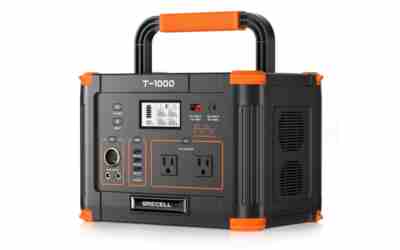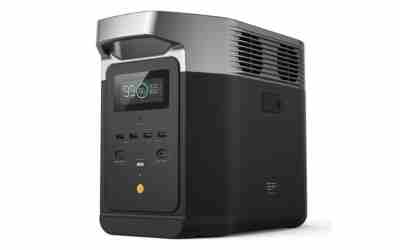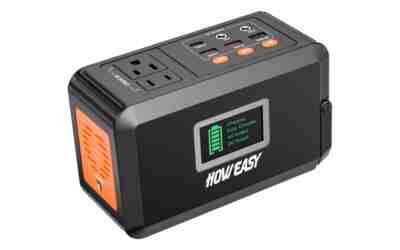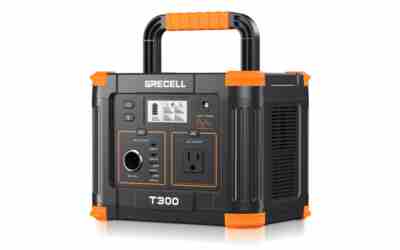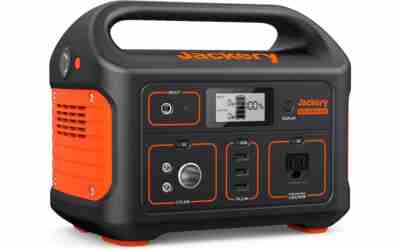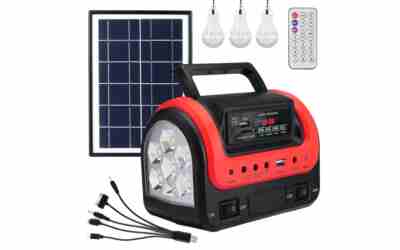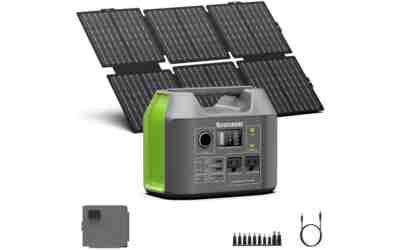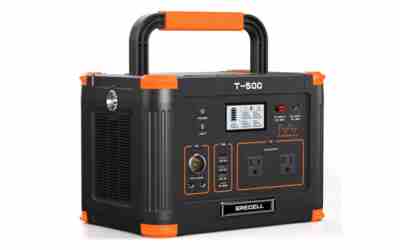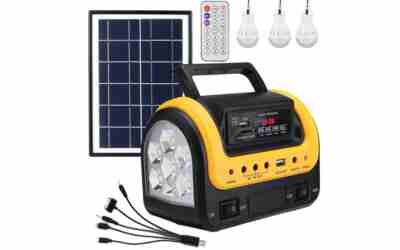

Our editorial team weighed DJI's published specifications and how it stacks up against similar products in the generators category. What stands out: Exceptionally Quiet at 23dB, Fast Recharging, High Output, and Durable, Safer LiFePO4 Battery. Where it falls short: Heavy at 28.6 lbs and Solar Panel Sold Separately. That puts it at 8.1/10 on our WG Score – an excellent, well-rounded option.
 Reviewed byDaniel
When searching for the solar generators, understanding the core metrics that define their value is crucial. While brand recognition and initial cost might grab your attention, the true “bang for your buck” often comes down to a single, pivotal specification: Wh capacity combined with AC output. These two numbers dictate how much power you can store and how many devices you can run simultaneously, directly impacting the generator’s versatility and overall utility for your needs.
Ignoring these fundamental power ratings can lead to purchasing a unit that either over-delivers for your requirements, wasting money, or, more commonly, under-delivers, leaving you without adequate power when you need it most. Our analysis focuses on these critical specifications to help you make an informed decision.
Wh Capacity and AC Output Explained
Watt-hour (Wh) capacity indicates the total amount of energy a solar generator’s battery can store. A higher Wh rating means a longer runtime for your devices. AC output, measured in watts, tells you the maximum power a generator can deliver to connected appliances at any given moment. Both continuous and peak AC output are important; continuous output is what the generator can sustain, while peak output is a short burst for starting high-draw devices.
To put this into perspective, consider the DJI Power 1000. With a 1024Wh LiFePO4 battery and a 2200W continuous AC output, this unit could theoretically power a standard 60-watt LED TV for over 17 hours (1024 Wh / 60 W = ~17.06 hours). This calculation demonstrates how a generator’s capacity directly translates into practical usage time for common household electronics or camping equipment, showcasing its ability to handle demanding loads for extended periods.

Pros
- Exceptionally quiet at 23dB, ideal for sleeping near the unit during camping
- Fast recharging and high output handle multiple devices like fridges and projectors reliably
- Durable LiFePO4 battery offers long lifespan and safer operation than standard lithium-ion
- Intuitive display and multiple ports including solar input for flexible power sources
- Solid build quality from DJI, competing favorably with EcoFlow and Jackery
Cons
- Weighs 28.6 pounds, making it less ideal for backpacking hikes
- Solar panel sold separately, requiring additional purchase for full off-grid capability
- Runtime varies by load, around 1 hour for high-watt appliances like kettles
The DJI Power 1000 is a premium portable power station designed for campers, RV enthusiasts, home backup users, and drone operators needing reliable off-grid energy. With a 1024Wh LiFePO4 battery, it powers high-demand appliances up to 2200W continuous (2600W peak), from mini-fridges to power tools, making it versatile for outdoor adventures or emergency home use.
Standout features include ultra-fast 70-minute full recharge via AC, dual 140W USB-C outputs for laptops and cameras, and solar compatibility up to 800W. Real-world performance shines in reviews: users power RVs overnight, run projectors for movie nights, and use it as a silent UPS with 20ms switchover, outperforming noisier competitors like EcoFlow Delta 2. The 23dB operation is whisper-quiet, perfect for serene camping.
Build quality reflects DJI's precision engineering, with a sleek grey design, intuitive display, and robust ports. The LiFePO4 battery ensures 4000 cycles for decade-long reliability and enhanced safety over standard lithium-ion packs. At 28.6 pounds, it's portable for car trips but hefty for long hikes.
Minor drawbacks include the weight and optional solar panel, but these don't detract from its core strengths. Overall, the DJI Power 1000 earns high marks for power, silence, and durability, making it a top pick for demanding portable energy needs.
Capacity: 1024Wh LiFePO4 battery (4000 cycles)
Output: 2200W continuous / 2600W peak, 110V, 8 AC outlets + USB-C (140W x2)
Recharge: 70 mins AC full charge, 800W max solar input
Noise: 23dB ultra-silent
Dimensions: 19.2 x 8.85 x 9.05 inches, 28.6 lbs
Warranty: Up to 5 years
Choose DJI Power 1000 if you need silent, high-output power for camping, RVing, or home UPS. Pair with solar for off-grid; upgrade to Power 2000 for larger capacity. Ideal for DJI drone users extending flight times.
Avoid if ultralight portability is key; consider lighter models for backpacking.

Pros
- Exceptionally lightweight and compact for hiking and travel
- Powers devices reliably during outages and camping trips
- Versatile outputs support diverse gear like routers and fans
- Efficient solar panel extends runtime in sunlight
- Quick AC recharging in 7-8 hours
Cons
- Solar recharging can be slow without direct sunlight
- Battery drains faster with multiple high-draw devices simultaneously
- Built-in flashlight limited for extended camping use
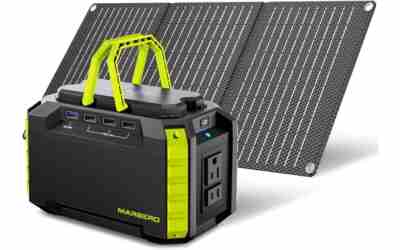
The MARBERO 172Wh solar generator kit combines a compact 200W power station with a 40W foldable solar panel, perfect for campers, hikers, fishers, and anyone needing emergency backup power for CPAP machines or home outages. It delivers reliable electricity off-grid, powering essentials like phones, laptops, routers, and small appliances without noise or fuel.
Standout features include multiple outputs for simultaneous charging, a high-efficiency solar panel with 21.5-23.5% conversion rate, and three recharging options: AC in 7-8 hours, car port, or solar. Users rave about its performance in real scenarios, like sustaining devices through snowstorms or multi-day camping, with fast device charging and solid runtime for lights and fans.
Design emphasizes portability with the 3.3lb power station (7.6x3.6x5.4 inches) and lightweight panel, plus safety features like overcharge and overload protection. Build quality feels premium with ABS material and intuitive LED indicators, though solar input lags in shade and heavy multi-device use reduces capacity.
Minor drawbacks include slower solar times and flashlight limitations, but overall, this kit excels for lightweight, versatile power needs. Verdict: Highly recommended for outdoor enthusiasts and preppers seeking dependable, portable energy.
Capacity: 172Wh | Output: 200W (270W peak) | Weight: Power station 3.3lbs, Panel 2.3lbs
Ports: 2 AC, 2 USB-A QC3.0, 2 USB-A, 1 USB-C PD, 1 DC | Recharge: AC, Solar, Car
Dimensions: Station 7.6x3.6x5.4in | Panel folded 8x10x1in | Power Source: Solar, Battery, AC
Safety: Overcharge, overload, short circuit protection | Color: Purple Black

Pros
- Highly portable and lightweight at 4 pounds with carry handle
- Long lighting runtime ideal for extended blackouts or night fishing
- Versatile outputs power lights, radio, and small devices effectively
- Easy solar or wall recharging works well in various conditions
- Includes all essentials like extension cables for hassle-free use
Cons
- Limited capacity drains quickly when charging phones alongside lights
- Solar panel recharges slowly in cloudy or cold weather
- Build quality feels cheap with occasional light or radio glitches
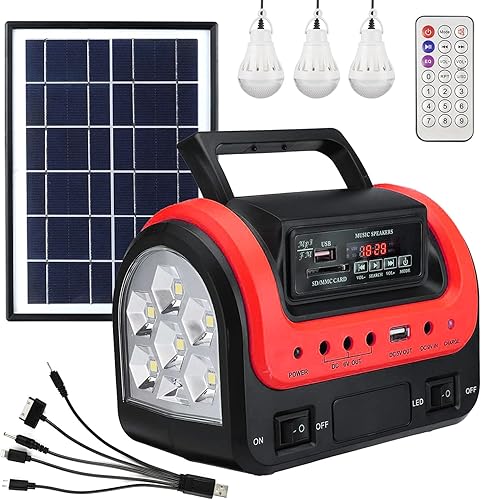
This portable solar generator from Upusa is a compact emergency power solution designed for home backups, camping, hunting, and outdoor activities. Measuring just 6.9 x 6.5 x 3 inches and weighing 4 pounds, it includes a power station with built-in flashlight and MP3/FM radio, a 10W solar panel, three detachable LED bulbs with 10ft extension cables, and USB ports for charging small devices like phones or e-readers. It's ideal for users needing lightweight, multi-function power without bulky equipment.
Standout features shine in real-world use: one bulb lasts up to 30 hours, two for 14 hours, and three for 8 hours, making it reliable for lighting tents or rooms during outages. Reviewers praise its phone-charging capability during camping trips and power cuts, with the radio adding entertainment value. Dual recharging via solar or AC works well in sunny conditions or indoors, and the individual bulb switches allow customized power management.
The green ABS plastic build is durable for portability, with overload protection and a handle for easy transport. However, some users note the battery depletes fast when powering devices beyond lights, solar charging lags in poor weather, and minor issues like flickering lights or weak radio reception occur occasionally.
Overall, this generator excels as an affordable entry-level kit for short-term emergencies and light outdoor use. It's a solid pick for dorms, RVs, or basic camping if you manage expectations on capacity, earning its place as a handy backup tool.
Brand: Upusa
Model: SDM-0603
Color: Green
Dimensions: 6.9 x 6.5 x 3 inches
Weight: 4 pounds
Power Source: Battery Powered (Solar/AC)
Wattage: 5W output, 10W solar panel
Voltage: 3.7V DC
Special Features: Overload protection, MP3/FM radio, flashlight, 3 LED bulbs
Outputs: DC/USB, 1 total outlet
Pros
- Lightweight and truly handheld size
- Comes complete with solar panel and lights
- Quiet gas-free operation
- Multiple recharge methods
Cons
- Only 4Wh capacity limits runtime for high-draw devices
- Low 5W solar input requires long recharge times
- No AC outlets for standard household appliances
The Upusa SDM-0603 is a small solar generator built around a 12500mAh battery and paired 10W panel. It targets campers and homeowners needing basic off-grid lighting and device charging.
Standout elements include the three included LED bulbs with individual switches and long extension cords plus built-in radio. The unit weighs under two pounds and fits easily in a backpack.
Recharge occurs via the solar panel in 8-15 hours, wall adapter in 6-8 hours, or USB. Safety features cover overcharge and short circuits while promising over 3000 cycles.
Drawbacks center on the tiny 4Wh capacity and 5W solar input, which restrict use to low-power items only. No AC outlets are present.
Overall verdict: a niche ultra-portable kit for minimal emergency lighting and phone top-ups rather than full power station duties.
Solar Generators: Our Picks Against the Numbers
Premium Performance: DJI Power 1000: 1024Wh LiFePO4 Portable Power Station, 2200W Output, 23dB Silent, Solar Generator for Camping & Home Backup
The DJI Power 1000 stands out with its substantial 1024Wh capacity and impressive 2200W AC output. This means it can comfortably power a wide range of devices, from essential home appliances during an outage to demanding tools for outdoor projects, all while maintaining a remarkably quiet 23 dB operation.
Skip this if: You need a more budget-friendly option for minimal power needs, as its robust capabilities come at a higher investment.
View on Amazon.comCompact & Capable: MARBERO 172Wh Solar Generator with 40W Panel – 200W Portable Power Station for Camping, Emergencies, CPAP & Outdoors
The MARBERO 172Wh Solar Generator offers a practical 172Wh capacity and 200W AC output, making it ideal for lighter loads. Its inclusion of a 40W solar panel ensures you can recharge on the go, perfect for camping, hiking, or powering CPAP machines.
Skip this if: Your power demands extend beyond small electronics and light appliances, as its lower output may struggle with higher-wattage devices.
View on Amazon.comEssential Emergency Power: Portable Solar Generator with 10W Panel, 3 LED Bulbs & Flashlight – Emergency Power Station for Camping, Home Backup (Green)
This portable solar generator, with its integrated 10W panel and included LED bulbs, is designed for basic emergency lighting and charging. While its specific Wh capacity isn’t detailed, its focus on low-power lighting solutions and USB charging indicates it’s best for minimal, essential power needs.
Skip this if: You require significant power for multiple devices or high-wattage appliances, as this unit is tailored for very light-duty emergency use.
View on Amazon.comOther Things That Matter for Solar Generators
Portability and Weight
For solar generators, especially those designed for outdoor adventures or emergency kits, weight and size are significant factors. A lightweight and compact design ensures easy transport and storage, making it truly portable for camping, hiking, or moving it around the house during an outage. Consider how often you’ll be moving the unit and whether its dimensions fit your intended use.
Recharge Methods and Speed
Beyond solar charging, which is a primary feature, look for models that offer multiple recharging options like AC wall outlets and car chargers. Fast-charging technology, such as that found in the DJI Power 1000, can significantly reduce downtime, getting you back to full power in a fraction of the time. The efficiency of the included solar panel also plays a role, with higher conversion rates maximizing energy capture. For more options, explore generators for charging solar batteries.
Battery Type and Lifespan
The type of battery used impacts both performance and longevity. LiFePO4 (Lithium Iron Phosphate) batteries, like those in the DJI Power 1000, are known for their longer lifespan and enhanced safety compared to traditional lithium-ion batteries. While they might initially cost more, their durability often translates to better long-term value, with some offering thousands of charge cycles.
Why Trust Our Reviews
At WikiGenerators.com, our mission is to provide comprehensive, unbiased reviews to help you find the best power solutions. We meticulously analyze product specifications, compare features, and synthesize user feedback to present you with a clear picture of each generator’s strengths and weaknesses. We understand that choosing the right solar generator is a significant investment, and our goal is to empower you with the knowledge to make an informed decision based on real-world applicability.
Our recommendations are rooted in a deep dive into technical data and an understanding of what truly matters to consumers. We don’t rely on promotional claims but rather on the tangible performance metrics and practical benefits that each product offers, ensuring that our advice is trustworthy and reliable.
Frequently Asked Questions
What is considered a good Wh capacity for a portable solar generator?
A good Wh capacity depends entirely on your intended use. For casual camping or charging small devices, 100-300Wh might suffice. For powering larger appliances or for home backup, you’ll want 1000Wh or more. Consider what devices you plan to power and for how long.
Can these solar generators power a refrigerator?
Many larger solar generators, especially those with 1000Wh+ capacity and high AC output, can power a refrigerator for several hours. Always check the generator’s continuous AC output and the starting (surge) wattage of your refrigerator to ensure compatibility. For heavy-duty needs, you might also consider heavy-duty solar generators.
Do all solar generators come with solar panels?
No, not all solar generators include solar panels. Some are sold as power stations, with panels available separately. Always check the product description to see if a solar panel is included or if it needs to be purchased independently.
How long does it take to charge a solar generator using a solar panel?
Charging time varies significantly based on the solar panel’s wattage, the generator’s battery capacity, and sunlight conditions. A general estimate can range from 4-8 hours in ideal sunlight for smaller units, to 8-15+ hours or more for larger capacities with standard panels.
Quick Comparison: Side by Side
- – Exceptionally Quiet at 23dB.
- – Fast Recharging, High Output.
- – Durable, Safer LiFePO4 Battery.
- – Exceptionally Lightweight & Compact.
- – Reliable During Outages/Camping.
- – Versatile Device Outputs.
- – Lightweight at 4 lbs.
- – Long Lighting Runtime.
- – Versatile Outputs.
- – Truly Handheld Size.
- – Includes Solar Panel & Lights.
- – Quiet, Gas-Free Operation.
- – Heavy at 28.6 lbs.
- – Solar Panel Sold Separately.
- – ~1h Runtime on High-Watt Appliances.
- – Slow Without Direct Sunlight.
- – Faster Drain With Multiple Devices.
- – Limited Flashlight for Extended Use.
- – Drains Quickly With Phones.
- – Slow Solar Recharge in Cold/Cloud.
- – Occasional Light/Radio Glitches.
- – Tiny 4Wh Capacity.
- – Slow 5W Solar Input.
- – No AC Outlets.