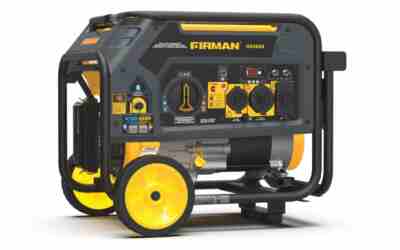
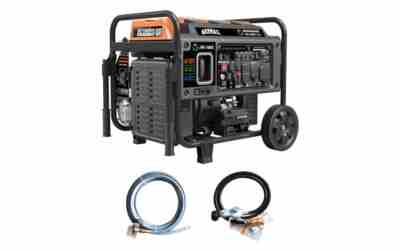
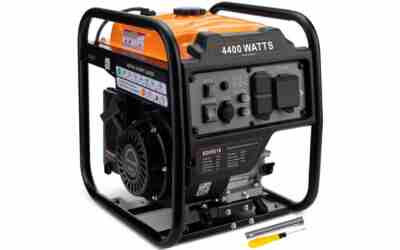
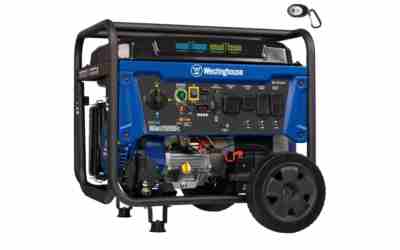
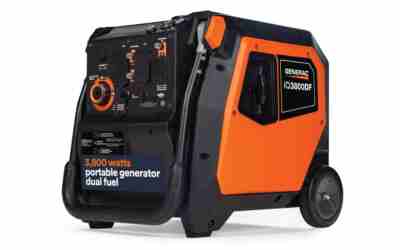
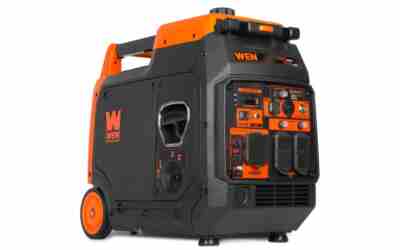
Our editorial team weighed Westinghouse Outdoor Power Equipment's published specifications and how it stacks up against similar products in the generators category. What stands out: Ultra-Quiet at 52dBA, 18-Hour Runtime, and Clean Power for Electronics. Where it falls short: Minor Oil/Fuel Odor on Arrival and Propane Tank/Hose Sold Separately. That puts it at 8.7/10 on our WG Score – an excellent, well-rounded option.
 Reviewed byTristan
When you’re out on the open road in your RV, reliable power is essential. From keeping your lights on to running essential appliances, a dependable generator with remote start capabilities offers unparalleled convenience and peace of mind. In November 2026, finding the right unit means balancing power output, fuel efficiency, and ease of use, especially when you want to avoid stepping outside in inclement weather just to fire it up.
Our comprehensive guide reviews the top 3 remote start RV generators available this 2026, based on extensive spec analysis and user feedback. We’ve focused on models that offer the perfect blend of power, portability, and the invaluable feature of remote starting, ensuring your RV adventures are always powered up. If you’re also considering options for larger setups, check out our guide on generators for large RVs.

Pros
- Ultra-quiet 52 dBA operation
- Exceptional 18-hour fuel efficiency
- Clean power safe for electronics
- Versatile outlets including RV 30A
- Multiple easy start options
Cons
- May have residual oil or fuel odor from factory testing
- Propane tank and hose sold separately
- Runtime shortens under heavy loads
The Westinghouse iGen5000DF is a high-performance dual fuel inverter generator offering 5000 peak watts and 3900 running watts, perfect for RVers, campers, tailgaters, and homeowners needing reliable backup power. Its ability to run on gasoline or propane provides unmatched versatility for remote locations or emergencies, while the RV-ready TT-30R outlet and household duplex outlets cover all camping and home essentials.
Standout features include a whisper-quiet 52 dBA operation, economy mode for up to 18 hours on a 3.4-gallon gas tank, and less than 3% THD for safe operation of sensitive electronics like laptops and TVs. The LED data center rotates to display fuel level, runtime, voltage, and hours, keeping you informed. Remote electric start with key fob and recoil backup ensure effortless ignition every time.
Built with a lightweight, compact design featuring wheels and an extendable suitcase-style handle, it moves easily despite its power. EPA compliant with a 3-year warranty and lifetime support, it emphasizes durability and user peace of mind. Real-world performance shines in fuel efficiency and clean power delivery.
Potential drawbacks include a possible factory residual odor and the need for separate propane accessories. Overall, the iGen5000DF excels as a portable powerhouse, earning top marks for quiet, efficient, and versatile operation. Highly recommended for anyone prioritizing convenience and reliability.
Power: 5000 Peak Watts, 3900 Rated Watts, <3% THD
Fuel: Dual Fuel (Gasoline 3.4 gal / Propane), Up to 18 Hours Runtime
Noise: 52 dBA
Outlets: TT-30R RV, 120V 20A Duplex, 2 USB
Starts: Remote Electric, Push-Button Electric, Recoil
Features: Parallel Capable, LED Data Center, Wheels & Handle

Pros
- Ample power for multiple appliances and tools
- Safety-focused CO sensor and multiple outlet types
- Long runtime reduces downtime
- Electric start simplifies use
- Three-year warranty and service support
Cons
- At 120 pounds, requires two people for frequent moves
- Gas-powered needs regular fuel and maintenance
- Larger size may limit storage in small vehicles
The WEN GN5602X is a robust 5600-watt starting portable generator powered by a 224cc four-stroke engine, designed for RVers, campers, job sites, and home backup needs. It excels in delivering consistent power to essentials like refrigerators, AC units, power tools, and RV appliances, with RV-ready and transfer-switch outlets for versatile connectivity.
Standout features include electric start for push-button ease, a CO shutdown sensor for family safety by detecting and halting high carbon monoxide levels, and up to 12.5 hours of runtime on a 4.3-gallon tank. The onboard digital meter tracks voltage, frequency, and runtime, helping users monitor efficiency during extended use. Multiple outlets, including two 120V 20A, one 30A RV TT-30R, and one 30A L5-30R, support simultaneous device operation without overload worries.
Build quality shines with a durable frame, wheel kit for mobility, and compact dimensions of 22.44 x 16.93 x 18.5 inches. WEN's legacy since 1951 ensures reliable performance backed by a three-year warranty and service network. While heavy at 120 pounds, the transport aids make it manageable for most users.
Potential drawbacks include its weight for solo handling and reliance on gasoline, which demands storage and refills. Noise levels typical of conventional generators may disturb quiet campsites.
Overall, the GN5602X offers exceptional value for demanding power needs, earning high marks for safety, runtime, and versatility. Ideal for those prioritizing dependable backup without complexity.
Power: 5600 starting watts, 4500 running watts
Engine: 224cc 4-stroke, electric start
Fuel & Runtime: Gasoline, 4.3-gallon tank, up to 12.5 hours at half load
Outlets: 1x 30A TT-30R (RV), 1x 30A L5-30R (transfer switch), 2x 120V 20A 5-20R
Dimensions & Weight: 22.44"L x 16.93"W x 18.5"H, 120 lbs
Other: CO sensor, wheel kit, digital data meter, 60Hz, 120V

Pros
- Highly portable with handle and low 37.5 lb weight
- Extended 5-hour runtime reduces refueling needs
- Versatile outlets for multiple devices
- Compact size fits easily in vehicles for camping
- Strong power output for its class
Cons
- Requires non-leaded gasoline and oil mixture for 2-stroke engine
- Recoil start demands manual effort
- Not rated for high-draw appliances like AC units
The Pulsar PG1202SA is a gas-powered portable generator delivering 1200 peak watts and 900 running watts, designed for campers, outdoor enthusiasts, and homeowners seeking backup power. Its single-cylinder 2-stroke engine with recoil start powers tools, lights, and chargers via two 120V outlets and one 12V DC output, making it perfect for recreation or light residential use.
Standout performance comes from the 1.1-gallon fuel tank, offering up to 5 hours of continuous operation at half load, which keeps devices running through long evenings at the campsite without frequent refills. The compact, durable build with a carrying handle enhances portability, allowing users to haul it easily to remote locations.
Build quality shines in its rugged yet lightweight 37.5-pound frame, ideal for tossing in a truck bed or RV. However, the 2-stroke engine needs a gasoline-oil mix, and recoil starting requires some pull strength, while it's not suited for power-hungry items like air conditioners.
Overall, the PG1202SA excels as an affordable, reliable choice for portable power needs, earning its place for anyone prioritizing convenience and runtime in outdoor settings. Verdict: Highly recommended for camping and emergencies.
Brand: Pulsar
Wattage: 1000 watts
Fuel Type: Non-leaded gasoline and oil mixture
Power Source: Gas-powered
Recommended Uses: Camping, Residential
Item Weight: 37.5 Pounds
Voltage: 120 Volts
Output Wattage: 1200 Watts
Special Features: Durable, Portable
Included Components: PG1202SA generator
Buying Guide for 2026
Running vs. Starting Watts
Understanding the difference between running watts and starting watts is crucial when selecting a generator for your RV. Starting watts, also known as peak watts, refer to the brief surge of power an appliance needs to start up, especially those with motors like air conditioners or refrigerators. Running watts, or rated watts, are the continuous power an appliance requires to operate. Your generator needs to meet both these demands, with a comfortable margin, to avoid overloading and ensure smooth operation of all your RV’s electrical components.
Always calculate the total starting watts of all appliances you might want to run simultaneously, and then choose a generator that exceeds this number. This ensures that even when multiple devices kick on, your power supply remains stable and reliable. For instance, the Westinghouse iGen5000DF offers 5000 peak watts, providing ample power for various RV needs.
Fuel Type & Runtime
Generators for RVs primarily run on gasoline, propane, or are dual-fuel capable. Gasoline is widely available but can degrade over time, while propane offers cleaner burning and longer storage life. Dual-fuel generators provide the flexibility to switch between fuel sources, which can be a significant advantage in varying situations, such as the Westinghouse iGen5000DF’s dual-fuel capability.
Runtime is another critical factor, indicating how long a generator can operate on a full tank of fuel at a certain load. Longer runtimes mean less frequent refueling, which is especially beneficial during extended trips or overnight use. Consider generators with larger fuel tanks or those known for their fuel efficiency, often indicated by an “Economy Mode,” to maximize your time between refills. For those needing power for specialized RV needs, explore options like RV generators for high altitudes.
Noise Level & Portability
Nobody wants a loud generator disrupting the peace of their campsite or RV park. Noise level, measured in decibels (dBA), is a key consideration. Inverter generators are generally much quieter than conventional models, making them a preferred choice for recreational use. Look for models with noise levels below 60 dBA, which is comparable to a normal conversation.
Portability encompasses both the weight and design of the generator. For RV use, you’ll likely be moving your generator, so features like wheels, telescoping handles, and compact designs are highly beneficial. A lighter unit is easier to load and unload, while a robust frame ensures durability on the go. The WEN GN5602X, for instance, includes a wheel kit for improved portability.
Outlets & Transfer Switch
The types and number of outlets on your generator dictate what appliances you can power. For RVs, a dedicated RV-ready outlet (typically a TT-30R 30 Amp outlet) is essential. Additionally, standard household 120V outlets (5-20R) and USB ports offer versatility for charging smaller devices. Some generators also feature a transfer-switch-ready receptacle, allowing for easier integration with your RV’s electrical system or for home backup use.
Ensuring your generator has the correct outlets for your specific RV setup is paramount. For example, if you have a 30-amp RV, a generator with a TT-30R outlet is a must. If you need to power a 50-amp RV, you’ll need a different class of generator, which you can learn more about in our guide on generators for 50 amp 5th wheel RVs. Always verify the outlet configuration matches your power needs to avoid the need for adapters or unsafe connections.
Quick Comparison: Side by Side
- – Ultra-Quiet at 52dBA.
- – 18-Hour Runtime.
- – Clean Power for Electronics.
- – Ample Power for Multiple Appliances.
- – CO Sensor & Multiple Outlet Types.
- – Long Runtime.
- – Lightweight at 37.5 lbs.
- – 5-Hour Runtime.
- – Versatile Outlets.
- – Minor Oil/Fuel Odor on Arrival.
- – Propane Tank/Hose Sold Separately.
- – Shorter Runtime Under Heavy Load.
- – Heavy at 120 lbs.
- – Needs Regular Fuel & Maintenance.
- – Large, Limited Storage Fit.
- – Needs Gas/Oil Mix.
- – Manual Recoil Start.
- – Not for High-Draw Appliances.
Why Trust Our Reviews
At WikiGenerators.com, our commitment is to provide you with objective and thoroughly researched recommendations. Our review process for remote start RV generators involves a meticulous analysis of product specifications, manufacturer claims, and, crucially, aggregated user feedback from a wide range of sources. We delve into performance metrics like power output, fuel efficiency, noise levels, and the reliability of remote start functions to give you a clear picture of each generator’s capabilities.
We do not conduct hands-on testing but instead leverage a data-driven approach to identify patterns in user experiences and product performance. This method allows us to offer a broad and unbiased perspective, ensuring our recommendations are based on a comprehensive understanding of what works best for real-world RV enthusiasts. As an Amazon affiliate, our goal is to guide you to products that best fit your needs, while maintaining complete editorial independence.
Our Final Picks for 2026
Best Overall: Westinghouse iGen5000DF 5000 Peak Watt Dual Fuel Inverter Generator – Super Quiet RV Ready Remote Start
The Westinghouse iGen5000DF stands out for its impressive 5000 peak watts and dual-fuel capability, offering versatility and power for various RV needs. Its super quiet operation at just 52 dBA makes it ideal for campsites, while the remote start feature adds significant convenience. With an RV-ready 30A outlet and extended run time, it’s a top-tier choice for any RV owner seeking reliable power.
View on Amazon.comBest Value: WEN GN5602X 5600W Portable Generator Electric Start RV-Ready CO Sensor 4500 Running Watts
The WEN GN5602X offers an excellent balance of power and features for its value. With 5600 starting watts and a robust 4.3-gallon fuel tank providing up to 12.5 hours of run time, it’s a dependable option for extended use. The inclusion of a CO Shutdown Sensor enhances safety, making it a smart choice for budget-conscious RVers. Its RV-ready 30-amp outlet ensures compatibility with most RVs.
View on Amazon.comBest for Compact Power: Pulsar PG1202SA 1200W Portable Gas Generator with Handle – Compact Camping Powerhouse
For those needing compact and lightweight power, the Pulsar PG1202SA delivers 1200 peak watts in a highly portable design. Its 1.1-gallon fuel tank provides up to 5 hours of continuous operation, making it suitable for light camping needs or powering smaller devices. While not designed for heavy-duty RV appliances like AC units, its compact form factor and ease of transport are ideal for minimalists or as a backup for specific tasks.
View on Amazon.comFrequently Asked Questions
Which remote start RV generators should I buy in 2026?
Choosing the right remote start RV generators in 2026 depends on your specific power needs, budget, and desired features. Consider the total wattage of your RV’s appliances, desired fuel type (gasoline, propane, or dual-fuel), noise level tolerance, and portability. For comprehensive power for a larger RV, a model like the Westinghouse iGen5000DF is a strong contender. For a more budget-friendly option with good power, the WEN GN5602X could be ideal. Always match the generator’s capabilities to your RV’s demands.
What are the benefits of a remote start generator for an RV?
Remote start functionality offers significant convenience for RV owners. It allows you to start and stop your generator from inside your RV, eliminating the need to go outside in unfavorable weather conditions, late at night, or early in the morning. This feature is particularly valuable for comfort and safety, especially when camping in remote locations. It also allows for quick power restoration without leaving your vehicle.
Can I run my RV’s air conditioner with a remote start generator?
Yes, many remote start generators are powerful enough to run an RV’s air conditioner, but it depends on the generator’s wattage output and the AC unit’s requirements. RV air conditioners typically require a significant amount of starting watts. Ensure the generator’s peak wattage exceeds your AC unit’s starting wattage, with some headroom for other appliances. For specific guidance on powering AC units, you might find our article on RV generators to run AC helpful.
What maintenance is required for remote start RV generators?
Regular maintenance is key to prolonging the life and ensuring the reliable operation of your remote start RV generators. This typically includes checking and changing the oil, inspecting and replacing spark plugs, cleaning or replacing air filters, and regularly running the generator to keep the engine lubricated and fuel lines clear. For dual-fuel models, ensure both fuel systems are properly maintained. Always refer to your owner’s manual for specific maintenance schedules and procedures.